
Reman Parts: The Foundation of Industrial Remanufacturing
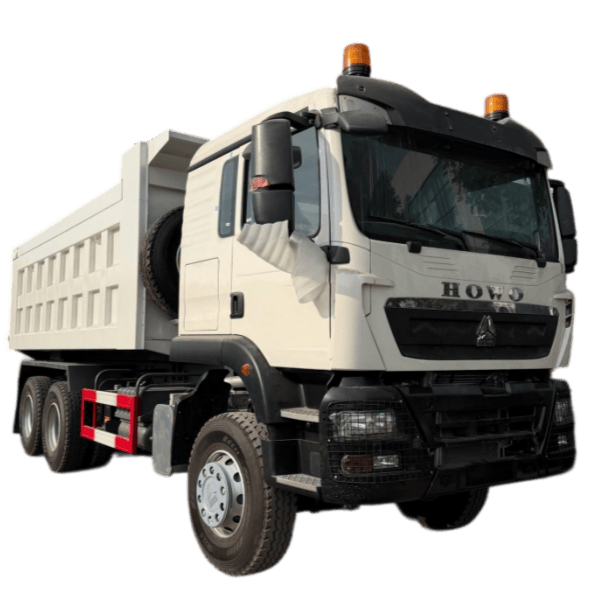
What Is Real Industrial Remanufacturing?
Most market participants misunderstand remanufacturing as simple part repair, vehicle refurbishment, or second-hand asset renovation. In fact, genuine industrial reman is a complete, repeatable, self-upgrading closed-loop industrial cycle. It breaks the traditional linear industrial model of “manufacture-use-scrap”. Instead, it builds a sustainable industrial chain of recycle-regenerate-reapply-recycle. In this full-cycle system, remanufactured parts and remanufactured vehicles are not independent products. They are two core links that rely on, supplement, and iterate with each other to support the entire circular economy operation.
Table of Contents
- The Full Lifecycle Closed-Loop Logic of Remanufacturing
- Two Core Pillars of the Reman Cycle: Parts and Whole Vehicles
- The Four Major Industrial Values of Reman Closed-Loop Circulation
- Industry Pain Point: Why Most Reman Projects Cannot Form a Real Cycle
- REMAN ROAD: Builder & Leader of Global Reman Closed-Loop Ecosystem
Related Articles
The Full Lifecycle Closed-Loop Logic of Remanufacturing
The core essence of industrial reman is asset cyclic regeneration. Every heavy-duty vehicle and core component has recyclable industrial value, rather than becoming industrial waste after aging.
Asset Recovery & Screening
- Recover aged vehicles and failed core parts from operating fleets.
- Strictly screen structural integrity and eliminate irreparable damaged assets to retain valuable industrial cores for regeneration.
Component-Level Standard Regeneration
- Disassemble qualified core resources to the smallest unit.
- Complete fatigue detection, tolerance correction, consumable renewal and bench calibration to form standardized reman parts with near-new performance and reset lifecycle.
Whole-Vehicle System Reconstruction
- Assemble qualified standardized remanufactured parts according to unified system specifications.
- Complete frame safety detection, system matching calibration and whole-machine load testing to form regenerated reman vehicles.
Re-Operation & Cyclic Re-Recycling
- Remanufactured vehicles re-enter industrial operation.
- After long-cycle use, their aging components will re-enter the reman cycle again, realizing infinite closed-loop circulation of industrial assets.
This is the fundamental difference between industrial reman and market random refurbishment: refurbishment only solves temporary failures, while remanufacturing realizes permanent asset cycle.
Two Core Pillars of the Reman Cycle: Parts and Whole Vehicles
The stable operation of the entire reman ecosystem relies on the dual support of component circulation and whole-vehicle circulation. The two are interdependent and indispensable.
Reman Parts: The Basic Circulation Unit of the Industry
All industrial reman cycles start from standardized component regeneration.
- Reman spare parts are the smallest recyclable industrial asset in the heavy industry chain
- They eliminate single-point mechanical fatigue and restore component precision to factory standards
- Standardized reman spare parts provide unified, reliable and interchangeable basic resources for whole-vehicle remanufacturing
- They support daily maintenance and local cycle replacement of fleet equipment, ensuring the continuous operation of industrial assets
Without standardized remanufactured parts, whole-vehicle remanufacturing has no qualified foundation, and the industrial cycle cannot be established.
Remaufactured Vehicles: The Systematic Carrier of Cycle Verification
Whole-vehicle reman is the advanced presentation and scenario verification of the component cycle.
- Reman vehicles integrate hundreds of standardized reman components to complete system-level performance reset
- Real heavy-load working conditions verify the matching stability, coordination and durability of reman spare parts
- Vehicle operation data feeds back to component reman standards, promoting continuous technical iteration of the entire industry
- Regenerated whole vehicles form high-value integral industrial assets, realizing large-scale closed-loop output of the circular economy
Without whole-vehicle system verification, reman parts can only stay at single-point repair and cannot form industrial-scale circular value.
The Four Major Industrial Values of Reman Closed-Loop Circulation
Resource Value: End Linear Industrial Waste
- Traditional manufacturing relies on raw material mining and repeated casting, resulting in massive resource waste and carbon emissions.
- Reman circulation maximizes the reuse value of existing industrial assets, retains embedded industrial value, and fundamentally reduces reliance on new resources.
Economic Value: Full-Cycle Cost Optimization
- The reman cycle reduces fleet procurement and maintenance costs.
- Standard reman parts replace expensive original new parts, and remanufactured vehicles replace high-investment new cars, helping enterprises optimize long-term asset operation costs.
Technical Value: Standard Iteration & Industry Upgrade
- The two-way cycle of parts and vehicles forms massive verifiable industrial data.
- It realizes standardized, data-based and repeatable reman production, and promotes the whole industry from casual workshop maintenance to formal industrialized manufacturing.
Ecology Value: Low-Carbon Sustainable Development
- Reman closed-loop circulation greatly reduces carbon emissions from raw material smelting, casting and processing.
- It provides quantifiable ESG low-carbon benefits for global industrial enterprises and complies with global green industrial development trends.
Industry Pain Point: Why Most Reman Projects Cannot Form a Real Cycle
Most manufacturers and workshops in the market can only complete single-link processing, unable to form closed-loop circulation:
- Only repair parts, no whole-vehicle system verification
- Only refit vehicles, no standardized component quality control
- No unified industry standards, resulting in inconsistent quality and unable to iterate technology
- No complete traceability system, unable to form credible industrial circulating assets
This leads to market chaos: pseudo-reman flooding the industry, low-quality refurbishment disguised as reman equipment, and the entire industry stuck in low-end disorder competition.
REMAN ROAD: Builder of Global Reman Closed-Loop Ecosystem
Different from all single-product manufacturers, REMAN ROAD does not simply sell reman parts or reman vehicles. We are committed to building the full-chain, full-lifecycle industrial remanufacturing closed-loop ecosystem for global heavy industry.
- Establish unified global reman industry standards to unify the production, detection and acceptance rules of parts and whole vehicles
- Link component standardized regeneration and whole-vehicle system reset to realize two-way technical iteration and quality mutual verification
- Build a complete digital traceability system to make every link of asset circulation transparent, credible and repeatable
- Standardize market behaviors, eliminate pseudo-reman chaos, and lead the heavy industry out of linear consumption and into high-value circular economy
- REMAN ROAD’s core mission is to turn fragmented reman behaviors into a systematic, standardized, sustainable global industrial ecology.